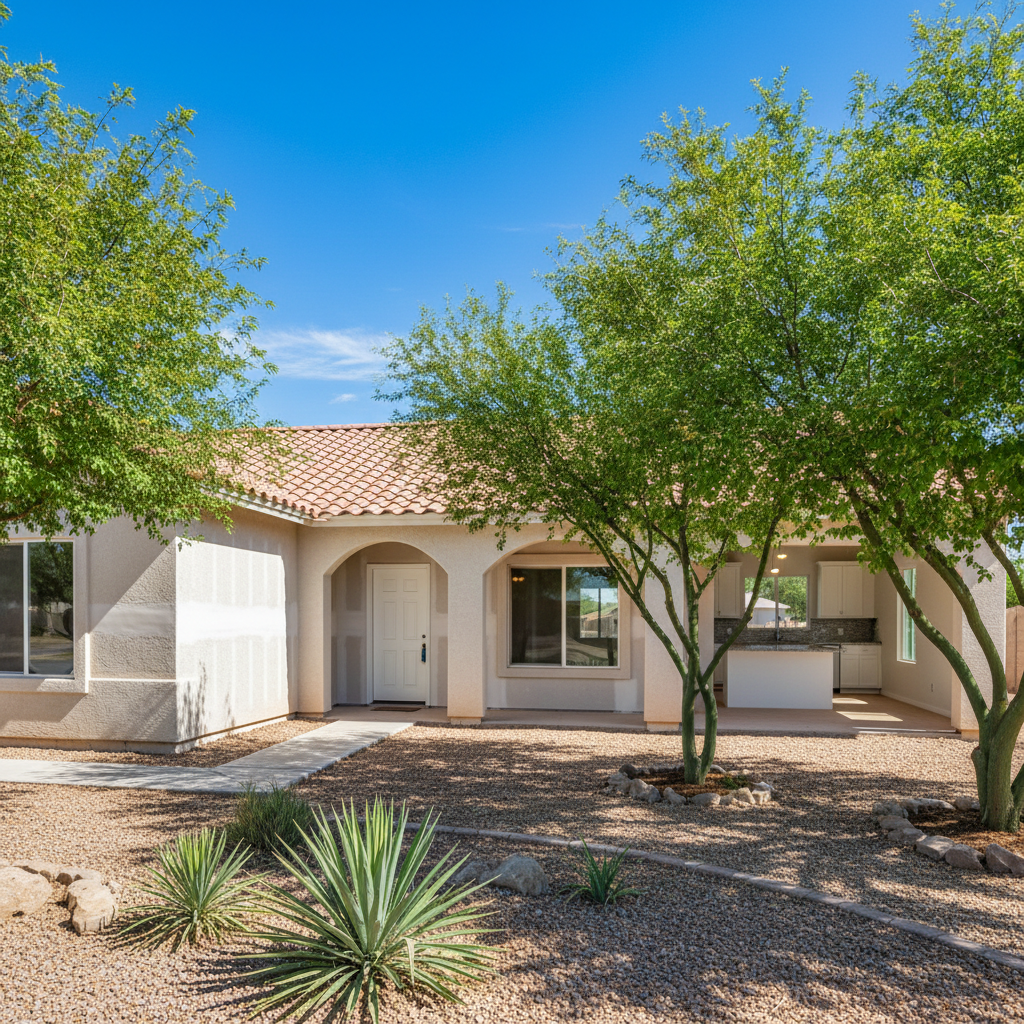
A musty smell creeping up from your baseboards after a heavy monsoon downpour rolls across the desert is something many residents notice. Out here in Tonopah, AZ, our scorching summers and sudden summer storms create a unique trap for moisture, especially when a roof leak or a busted supply line feeds hidden mold behind your drywall. Tackling water damage and mold remediation requires careful steps, and knowing what lies ahead makes the whole process much clearer.
What to Expect During the Process
When you bring in professionals like our team at Oakwood Restoration Co, we do not just spray some bleach and call it a day. Real mold remediation and water damage restoration is a controlled science. First comes containment. We set up heavy plastic barriers and negative air pressure machines to make sure mold spores do not migrate into the clean parts of your house while we work. Next, we remove unsalvageable porous materials like soaked insulation and ruined drywall. HEPA vacuums and specialized antimicrobial treatments handle the framing and structural components left behind. Finally, industrial air movers and dehumidifiers dry out the framing. Because our desert air is naturally dry, people often think things dry instantly, but trapped moisture inside cavities takes targeted drying power.
Your Project Timeline
Most standard residential mold remediation projects take anywhere from 3 to 7 days from start to finish. Day one is usually assessment, containment setup, and initial demolition. Days two through four involve structural drying and detailed cleaning. The final days are dedicated to clearance testing and putting your walls back together. If you are dealing with extensive damage that requires structural rebuilding, expect the reconstruction phase to add another week or two depending on material availability.
How to Prepare Your Home
- Clear out personal items and furniture from the affected work zones.
- Keep pets and family members completely out of containment areas.
- Expect temporary utility interruptions, as we sometimes need to shut off power to specific circuits during demolition.
- Give our crew clear access to doorways and driveways for equipment loading.
Questions to Ask Before Signing a Contract
Never sign an agreement with a contractor until you get straight answers. Ask them if their technicians hold legitimate certifications from organizations like the IICRC. Find out if they perform third-party clearance testing once the job is done to prove the mold count is back to normal. You should also verify how they handle insurance claims and whether they provide detailed, itemized scopes of work rather than a vague lump sum estimate.